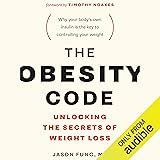
For individuals managing Polycystic Ovary Syndrome (PCOS), truly effective weight loss is often found by prioritizing the management of insulin resistance, rather than solely focusing on conventional calorie restriction or excessive exercise. As was powerfully highlighted in the accompanying video, many traditional weight loss strategies commonly offered through mainstream advice or even some medical practitioners might not only be ineffective for those with PCOS but can also potentially worsen underlying metabolic challenges. A profound shift in approach is frequently required to achieve sustainable results and alleviate the often frustrating experience of struggling to lose weight with PCOS.
The journey to lasting weight management with PCOS can feel like an uphill battle, especially when conventional wisdom repeatedly fails to deliver. This is because PCOS is fundamentally a metabolic disorder, and its impact on the body’s hormonal balance necessitates a unique strategy. The typical advice to “eat less and move more” often overlooks the intricate role of insulin and blood sugar regulation, which are critical components for anyone looking to lose weight with PCOS. It is commonly observed that individuals with PCOS are already eating better and exercising more diligently than their peers, yet they continue to struggle with weight gain or an inability to lose weight.
Understanding Insulin Resistance and Its Impact on PCOS Weight Loss
Insulin resistance is a primary driver behind many of the challenges associated with PCOS, particularly concerning weight management. This condition occurs when the body’s cells do not respond effectively to insulin, a hormone produced by the pancreas that helps glucose (sugar) from food enter cells for energy. To compensate, the pancreas produces even more insulin, leading to elevated levels circulating in the bloodstream. These persistently high insulin levels are recognized as a significant factor in promoting fat storage, especially around the abdominal area, and making it exceptionally difficult to lose weight.
Imagine if a lock (your body’s cells) no longer fit its key (insulin) perfectly; the key would have to be turned harder and more frequently just to open the lock. This constant overproduction of insulin can also stimulate the ovaries to produce more androgens (male hormones), which can exacerbate other PCOS symptoms like acne, unwanted hair growth, and irregular periods. Therefore, addressing insulin resistance is not just about weight loss; it is considered a holistic approach to managing the full spectrum of PCOS symptoms and restoring metabolic balance. Many people find that once insulin levels are stabilized, the body becomes more receptive to shedding excess weight.
Why Traditional Diet and Exercise Can Be Counterproductive for PCOS
The conventional advice of severely cutting calories and engaging in intense, prolonged cardiovascular exercise is often found to be ineffective and sometimes even detrimental for individuals with PCOS. Drastically restricting caloric intake can signal to the body that it is in a state of famine, leading to a slowdown of metabolism as a protective mechanism. This response is frequently observed to make weight loss more challenging in the long run. Moreover, such restrictive diets can put the body on a “blood sugar roller coaster,” characterized by dramatic peaks and valleys that worsen insulin resistance and increase cravings.
Similarly, intensive workouts like daily cycling classes, while beneficial for some, can elevate stress hormones such as cortisol in the body. When a body with PCOS is already under metabolic stress from insulin resistance, additional stressors can further disrupt hormonal balance and negatively impact blood sugar regulation. High cortisol levels are known to promote fat storage, particularly visceral fat, which is notoriously difficult to reduce. Therefore, it is often seen that individuals are working extremely hard without seeing results, not because of a lack of effort, but because the methods being employed are not aligned with their body’s unique metabolic needs.
Effective Strategies for Managing Blood Sugar and Promoting Weight Loss with PCOS
Instead of focusing on restrictive practices, a more effective strategy for those with PCOS involves incorporating lifestyle adjustments that specifically target blood sugar stabilization and insulin sensitivity. These adjustments are typically small but are understood to have a huge cumulative impact on overall metabolic health. For instance, prioritizing balanced forms of movement is a key component. Walking after meals, even for a short duration, is frequently cited as more effective at mitigating blood sugar spikes than a strenuous run, helping the body to utilize glucose more efficiently.
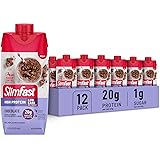
Incorporating strength training into a routine is also highly recommended. Lifting weights for approximately 30 minutes a day can significantly improve insulin sensitivity, as muscle tissue is more metabolically active and helps to absorb glucose from the bloodstream. Furthermore, rethinking meal composition, especially breakfast, can be transformative. Opting for a morning smoothie packed with at least 30 grams of protein, rather than skipping breakfast or having only coffee, provides sustained energy, curbs cravings, and prevents an early-morning blood sugar crash. These practical changes are designed to gently guide the body toward better hormonal and metabolic regulation.
Building a Sustainable Lifestyle for Long-Term PCOS Management
Moving beyond temporary “fat diets” and unsustainable restrictions is crucial for achieving lasting success in managing PCOS and facilitating weight loss. The emphasis should be placed on creating a lifestyle that supports consistent blood sugar management and reduces chronic stress on the body. This approach frequently involves making conscious food choices that are nutrient-dense and provide stable energy, rather than focusing solely on calorie counts. It is commonly observed that when the body’s foundational metabolic processes are supported, weight loss becomes a natural outcome rather than a constant struggle.
Integrating mindful eating practices, ensuring adequate sleep, and finding effective ways to manage stress are also considered vital components of a comprehensive PCOS management plan. These elements all contribute to a more balanced hormonal environment, which directly impacts insulin sensitivity and the body’s ability to lose weight. For anyone striving to lose weight with PCOS, embracing these foundational principles can lead to not only significant weight improvements but also a marked reduction in other frustrating symptoms, paving the way for a healthier and more energized life.
Navigating Your PCOS Weight Loss Journey: Questions & Answers
What is PCOS and why is weight loss often difficult for someone with it?
PCOS (Polycystic Ovary Syndrome) is a metabolic disorder that affects hormonal balance, making traditional weight loss methods ineffective. The body’s metabolism works differently, requiring a unique approach.
What is insulin resistance, and how does it relate to weight gain in PCOS?
Insulin resistance occurs when your body’s cells don’t respond effectively to insulin, leading to higher insulin levels. These persistently high insulin levels promote fat storage, especially around the abdomen, making weight loss challenging.
Why might typical diet and exercise plans not work well for PCOS?
Severely cutting calories can slow metabolism, and intense exercise can raise stress hormones like cortisol. Both of these can worsen insulin resistance and disrupt hormonal balance, making weight loss harder for individuals with PCOS.
What are some simple ways to start managing weight with PCOS?
Focus on stabilizing blood sugar and improving insulin sensitivity through lifestyle adjustments. This can include walking after meals, adding strength training to your routine, and eating a protein-rich breakfast.